About

Our vision
We contribute to strengthen communities’ resilience through impactful climate and biodiversity
solutions.
Our mission
We mobilise contributions from businesses and individuals who value supporting climate and
biodiversity actions. These funds are directed to projects rigorously selected by our advisory board
to accelerate social and environmental transformation.
Our theory of change
Activities
We support projects across three key areas: ecosystem conservation and restoration, regenerative
agriculture, and decentralised energy solutions for households.
We provide grants, along with communication and advocacy support to help these initiatives thrive.
Our focus is on the Global South, where communities and ecosystems are most vulnerable to the
climate and biodiversity crises and where projects can deliver the highest impact.
Outputs
The projects must foster local community engagement and support the adoption of sustainable,
regenerative practices. This includes providing the necessary infrastructure and equipment.
Outcomes
The outputs are expected to lead to three key outcomes: improved livelihoods for affected
communities, measurable ecological gains across soil, water, biodiversity and land use, and a
reduction in greenhouse gas emissions alongside increased carbon removals.
Impact
Our impact priorities focus on empowering vulnerable communities and enhancing their resilience,
primarily through ecosystem restoration.
This approach delivers co-benefits such as reducing greenhouse gas emissions, sequestering carbon,
and mitigating climate change.
Regen Trust operates as a charitable fund under the
auspices of Prism the Gift Fund (UK charity no. 1099682)
Governance

Our governance structure ensures that grant-making is impactful, efficient, and transparent.
We work collaboratively and regularly consult experts beyond our advisory board to gather diverse
perspectives, including those with direct experience in the geographies and communities we aim to
support.
We report on the trust’s activities, outputs, outcomes, and impact through annual integrated
financial and impact statements.
Advisory board
The Advisory Board is responsible for the impact strategy, beneficiary selection, and impact
measurement and reporting. Members serve voluntarily and are not remunerated.
Development Lead
The Development Lead is responsible for fundraising, identifying new funding channels and engages
with donors. The Development Lead serves voluntarily and is not remunerated.
For the financial markets, Regen Trust offers asset managers and hedge funds a simple,
impactful way to support climate and biodiversity initiatives.
Through our unique model, we partner with brokers who commit to donating a significant portion of
their commissions, up to 25% to the trust. This means everyday trading activity can directly
contribute to nature and community resilience.
Administrator
Regen Trust operates as a charitable fund under the auspices of Prism the Gift Fund (UK charity no.
1099682).
This structure grants us full charitable status and oversight, with Prism providing the legal and
financial backbone that ensures smooth operations.
In practice
- We can claim Gift Aid on eligible donations.
- We are supported by Prism’s team, who manages finance, governance, and compliance.
- We are part of a trusted and transparent structure that has supported over 50 similar
organisations.
With Prism as our charitable backbone, we remain lean and mission-driven, focusing on the work we
support.
Prism provides
- Charitable and legal infrastructure
- Financial administration and reporting
- Charity compliance and governance
- Due diligence on all spending and grant-making
This structure enables us to operate efficiently and transparently, ensuring more of your donation goes
where it matters most.
For any questions, feel free to contact Prism directly at info [at] prismthegiftfund.co.uk
Meet the team
Frédéric Boissel

Co-founder, Development lead
Frédéric has been Head of Equities in the brokerage industry where he worked for 25 years.
He stepped back in 2024 to focus on supporting the climate transition. Inspired by the
principles of Effective Altruism, he set out to find new ways to bridge that gap and help
accelerate real impact.
Gwénaëlle Boissel

Co-founder, Advisory board
Gwénaëlle is a Global corporate leader with 25+ years of experience in media (BBC), tech
(Amazon) and entertainment (The Walt Disney Company, The LEGO Group). In 2025, she stepped
out of her corporate career to become an independent consultant and dedicate her effort to
supporting the shift towards sustainable business, new narratives and more conscious ways of
living.
Laetitia Larue

Impact lead, Advisory board
Laetitia is a sustainability professional currently working in the Strategy Enablement team
at WWF International. Her background combines corporate strategy in the energy sector and
sustainability consulting for global companies. She also volunteers for environmental
awareness NGOs.
Ben Quirin

Advisory board
Ben is an experienced global business leader with a passion for People, Innovation and
Climate. He is one of the founding investors of Invert, focused on the development of
Nature-based projects. He has successfully led market expansion initiatives in emerging
markets forging strong partnerships in the Public and Private sectors.
Jonathan Mille

Advisory board
Jonathan is a PhD researcher and climate specialist with expertise in systemic risk and
climate adaptation. Research Fellow at UCL's Climate Action Unit and Guest Lecturer at LSE,
he consults with organisations and governments to build climate resilience through an
interdisciplinary approach bridging climate science, risk management and neuroscience.
Regen Trust operates as a charitable fund under the
auspices of Prism the Gift Fund (UK charity no. 1099682)
CONTRIBUTE

HOW TO CONTRIBUTE
By making a one-off donation or pledging a portion of your income to the
trust, you actively support a healthier, more sustainable future for people and the planet -
creating real, measurable impact.
For companies, you will also have access to annual reports to support your disclosures under
frameworks such as CSRD, CDP, TCFD or TNFD, helping you report reliably on your impact beyond the
value chain. Plus, donations are tax-efficient through the Gift Aid scheme.
If you are outside the UK and wish to claim Gift Aid locally, or if you prefer to donate via bank
transfer, please contact info [at]
prismthegiftfund.co.uk
Regen Trust operates as a charitable fund under the
auspices of Prism the Gift Fund (UK charity no. 1099682)
PROJECTS

Regenera Mata Atlântica
Regenera Mata Atlântica is a science-led initiative by Hidden Universe:
Biodiversity (HUB) and its
Brazilian partners Igarape Institute and the Atlantic Forest Research and
Conservation Alliance (ARAÇÁ)
to restore and reconnect between 60,000 and 200,000 hectares of Brazil’s Atlantic
Forest, one of the world’s most
threatened ecosystems. This transformative initiative will help protect over 5,500
species and strengthen the resilience of
4.4 million people who rely on these ecosystems for water, soil stability,
climate regulation and livelihoods.
Regen Trust is granting £60,000 to fund the preparatory phase,
supporting scientific work, essential planning and community engagement processes that
are needed before any large-scale restoration
can begin. This groundwork is essential to unlock long-term impact for both people and
nature.
Learn more →

Kikambala Resilience Initiative
Kikambala Resilience Initiative is an integrated pilot by The Haller
Foundation to
build climate-resilient livelihoods while restoring degraded landscapes in Kenya's
coastal Kikambala region. By combining decentralised solar energy, water
infrastructure and regenerative agriculture, this initiative will improve soil health,
enhance biodiversity and strengthen ecological resilience across smallholder farming
communities facing severe drought and land degradation. The project will restore the
landscape with diverse crops and native trees, reduce pressure on natural water
sources, and strengthen food security and livelihoods for 1,500 people on the
frontline of climate change.
Regen Trust is granting £60,900 to fund this 12-month pilot, supporting essential
infrastructure, training and community engagement.
Learn more →

REGENERATIVE AGRICULTURE IN AFRICA
Regenerative Agriculture in Africa is a three-project portfolio implemented by
Wandusoa in rural Cameroon, Itanya Africa Group in Machakos County, Kenya,
and Kukula Solar in Mchinji District, Malawi. The programmes train displaced
youth
and women in regenerative farming and agroecology, distribute vertical gardens to
smallholder households facing severe food insecurity, and deploy solar-powered
water pumps to farmers in drought-affected communities. Each project targets
measurable environmental outcomes - restoring degraded soils, reducing chemical
inputs and building long-term climate resilience - across three countries and
ecosystems.
Regen Trust is granting £44,000 to fund this portfolio, supporting training,
equipment and community infrastructure across all three sites.
Learn more →
 Photo by Davy Noelmans
PODOCARPUS-EL CÓNDOR CORRIDOR
Podocarpus-El Cóndor Corridor is a two-year initiative by Habitats
Conservation and its
implementing partner Fundación Jocotoco to reconnect a network of protected areas
in
southern Ecuador's Tropical Andes. The project strengthens governance of the
70,000-hectare Palanda Municipal Conservation Area (ACMUS), the ecological buffer
linking Podocarpus and Yacurí National Parks with the Cerro Plateado Biological Reserve,
while building coordinated ranger patrols and locally led agroforestry. Together, these
actions will expand protection of 215,000 hectares of national reserves and
support five
local communities on the frontline of deforestation.
Regen Trust is granting €131,000 to fund this two-year project, supporting
governance, coordinated patrolling, biodiversity monitoring, agroforestry and
community engagement.
Learn more →

ANKASA RAINFOREST LANDSCAPE
The Ankasa Rainforest Landscape programme is a four-year initiative by Noé to
protect
one of Ghana's last lowland wet evergreen forests. The programme strengthens the Community
Resource Management Areas (CREMAs) around the Ankasa Conservation Area, reviving dormant
community institutions and equipping them to patrol, restore and manage their forest. It
also helps farmers earn more from cassava and honey without clearing new land and prepares a
shift to cocoa agroforestry. Together, these actions will reduce pressure on a
210,000-hectare landscape that shelters forest elephants and five threatened plant
species.
Regen Trust is granting £120,949 to fund two years of this programme, supporting
community
governance, forest patrols, restoration and sustainable livelihoods.
Learn more →
Regen Trust operates as a charitable fund
under the auspices of Prism the Gift Fund (UK charity no. 1099682)
REGENERA MATA
ATLÂNTICA
Regen Trust is proud to announce its first partnership with Hidden Universe: Biodiversity (HUB), a
science-driven conservation organisation working to restore one of the world’s most threatened
ecosystems: Brazil’s Atlantic Forest.
LONG-TERM VISION: RESTORING THE ATLANTIC FOREST
The Atlantic Forest is home to 70% of Brazil’s population and thousands of species found nowhere
else - yet only 8% of its original extent remains.
This loss is deeply affecting both biodiversity and local communities, whose water security, soil
stability and agricultural resilience depend
on healthy ecosystems.
Together with its Brazilian partners Igarape Institute and the Atlantic Forest Research
and Conservation Alliance (ARAÇÁ),
HUB is launching Regenera Mata Atlântica, an ambitious long-term plan to restore and
reconnect between 60,000 and 200,000 hectares of forest between Três Picos and
Desengano Parks.
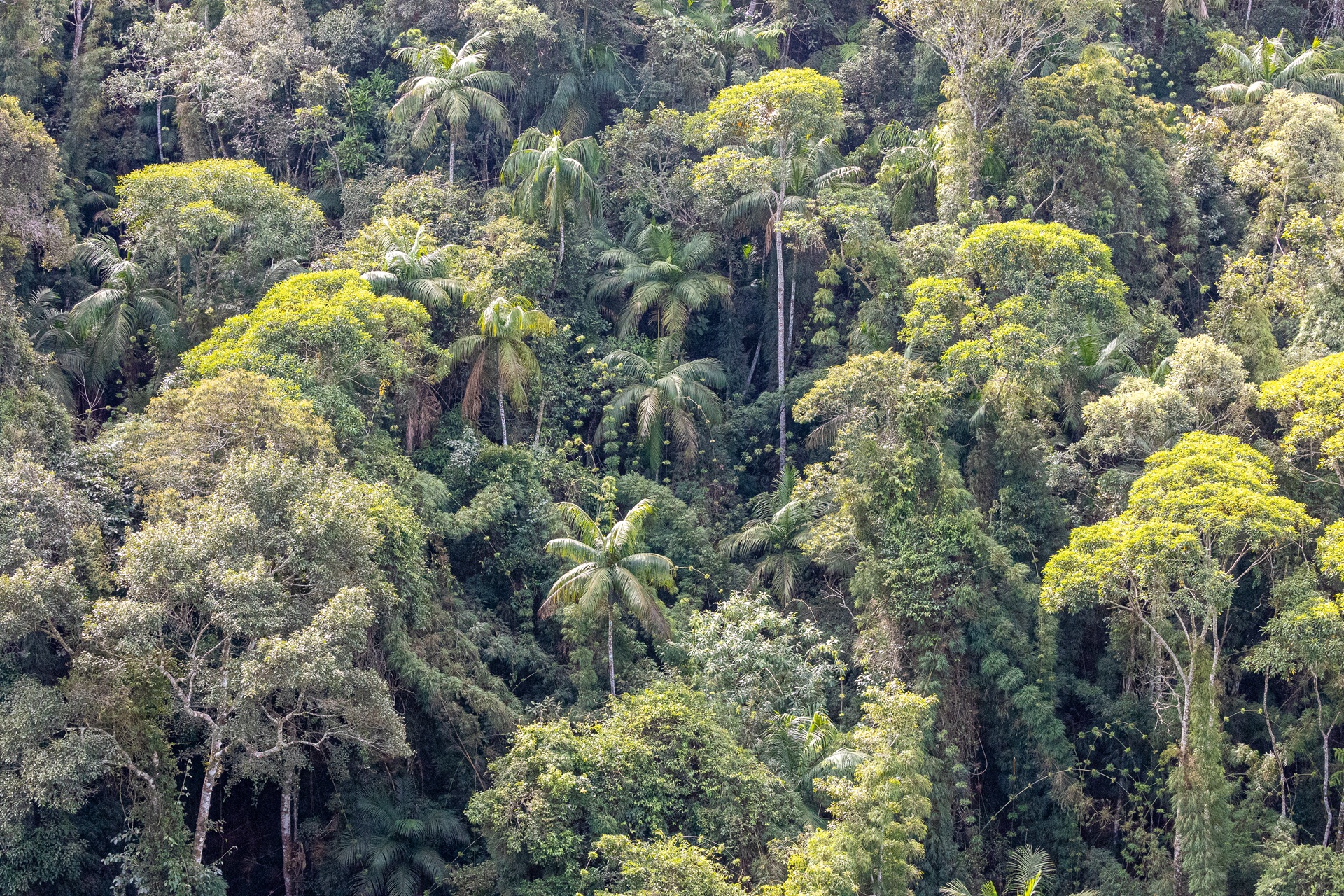 This ecological corridor will deliver long-term benefits for both biodiversity and local
communities. It will reconnect fragmented habitats
and help protect more than 5,500 species, including the critically endangered Muriqui, Latin
America’s largest monkey. It will also strengthen
the resilience of the 4.4 million people living in the region by improving water quality and
availability, reducing landslide risks, and
enhancing agricultural resilience.


PREPARATORY PHASE: THE ESSENTIAL GROUNDWORK
Regen Trust is granting £60,000 to support the project’s preparatory phase - an essential step to
ensure that future restoration is scientifically
robust, legally sound and supported by local communities. This will enable five activities:
- Spatial and tenure analysis
Mapping environmental data and land tenure to identify secure, high-priority areas for
restoration.
- Stakeholder mapping and engagement
Building relationships with landowners, community members and local institutions to ensure
long-term support and shared stewardship.
- Detailed project design
Build a credible roadmap with a 3-year operational plan and a 10-year financial outlook, and
engage potential funders, to unlock the
significant investment required to restore the full corridor.
- Training local biodiversity scientists
Contribute to the training of the next generation of Brazilian biodiversity scientists to
strengthen long-term local capacity
for biodiversity monitoring, restoration and ecological stewardship.
- Developing native seed nursery capacity
Establish propagation protocols and develop nursery capacity to ensure a reliable supply of
genetically appropriate native
plants for large-scale restoration.
This phase will drive two key outcomes
-
Scientific and operational soundness of the project design, to set Regenera Mata Atlântica for
success. A comprehensive,
in-depth analysis of ecological, legal and socio-economic risks and opportunities is essential
for the corridor to remain viable
and protected for decades.
-
Ability to unlock the large-scale funding required to create the full ecological corridor. A
clear roadmap, multi-year budget
and evidence of community engagement are necessary for the project to be attractive to
high-value funders.

ABOUT HUB AND ITS PARTNERS
HUB and its partners form a powerful alliance capable of delivering high-impact, science-led
restoration at scale.

Founded by leading scientists including Alexandre Antonelli (Executive Director of Science at the
Royal Botanic Gardens, Kew), HUB is
dedicated to using scientific evidence, community partnerships and innovation to protect and
regenerate biodiversity.
HUB collaborates with a network of specialised partners who bring cutting-edge research, local
expertise and operational capabilities:

HUB’s sister organisation in Brazil, operating from the Alto da Figueira reserve. It leads research,
community partnerships and on-the-ground restoration efforts.
INSTITUTO IGARAPE
A leading Brazilian think-and-do tank accelerating responsible investment in nature-based solutions,
with deep expertise in policy, security, and community-level impact.

Regen Trust operates as a charitable fund under the
auspices of Prism the Gift Fund (UK charity no. 1099682)
KIKAMBALA RESILIENCE
INITIATIVE
Regen Trust is proud to announce its partnership with The Haller Foundation, a
proven grassroots organisation working to transform rural livelihoods in Kenya
through innovative, integrated solutions that combine renewable energy, water
security and regenerative agriculture.
LONG-TERM VISION: RESILIENT COMMUNITIES IN COASTAL KENYA
The Haller Foundation is launching an innovative pilot to establish five solar-powered
community hubs serving 1,500 people across the Kikambala region.
This integrated model will deliver long-term benefits for both communities and
ecosystems. It will provide reliable electricity to extend productive hours and enable
women-led micro-enterprises. It will improve water security through underground
rainwater harvesting tanks and solar-powered irrigation, reducing time burden on
women and children while boosting agricultural productivity. It will make waste
management safer and reduce the contamination of soil and water sources. It will
also build climate resilience by training champion farmers in regenerative practices,
composting and agroforestry - knowledge that spreads through peer-to-peer learning
across the community.

THE PILOT PROJECT: TRANSFORMING COMMUNITY LIVELIHOODS VIA
INTEGRATED ENERGY SOLUTIONS
Regen Trust is granting £60,900 to deliver this 12-month pilot project - an essential
foundation for creating self-sustaining rural ecosystems where both people and
nature can thrive. This will enable seven core activities:
- Solar energy infrastructure
Installing five standalone off-grid solar units (minimum 2.4kW each) to power
lighting, phone charging, refrigeration, water pumps and purification systems -
serving 250 people directly and enabling at least 10 new micro-enterprises.
- Water security and sanitation
Establishing five safe water points, each connected to an underground
rainwater harvesting tank (50,000 litres each) with solar-powered pumps and
water purification systems, dramatically reducing water collection time by 80%
and providing year-round access to clean water for farming and domestic use.
- Eco-sanitation facilities
Building five eco-toilet facilities to improve health outcomes and prevent
water source contamination.
- Advanced irrigation systems
Installing drip irrigation to reduce water wastage by 50% while increasing
crop yields and enabling cultivation during dry periods.
- Water catchment protection
Establishing five rain-fed ponds (24,000 litres each) to improve water
reliability and create opportunities for fish farming as an additional income
source.
- Regenerative farming training
Delivering intensive farmer training to 50 champion farmers in climate-smart
and regenerative agriculture, with focus on women and youth to strengthen
skills in nutrition-sensitive agriculture and enterprise development.
- Cooperative development
Supporting five community cooperative groups with training in financial
literacy, governance and local investment to strengthen collective enterprise
and long-term sustainability.


ABOUT THE HALLER FOUNDATION AND ITS APPROACH
The Haller Foundation has been working in
Kenya since 2004, improving the
livelihoods of over 80,000 smallholders through an integrated model combining water
security, regenerative farming and sustainable livelihoods.
Founded by UN Global 500 Laureate Dr. René Haller - with over 65 years of Kenyan
experience in sustainable farming and land restoration - The Haller Foundation
delivers grassroots solutions rooted in community needs and guided by 12 core
principles for ecological and economic harmony.
Their track record demonstrates proven capacity: partnerships with 56 rural farming
communities, 200+ water and sanitation projects delivered, 7,500 champion farmers
trained through peer-to-peer learning, and over 100,000 patient treatments provided
through integrated health outreach.
The Haller Foundation's approach isn't aid or dependency. It's an innovative, low-
cost, high-impact model that enables communities to build their own pathways out of
poverty while protecting the environments in which they live.
For this pilot, the Haller Kenya team will manage delivery with trusted contractors
and deep community participation to strengthen local ownership, followed by
ongoing post-project support to ensure sustained behaviour change and
infrastructure maintenance.

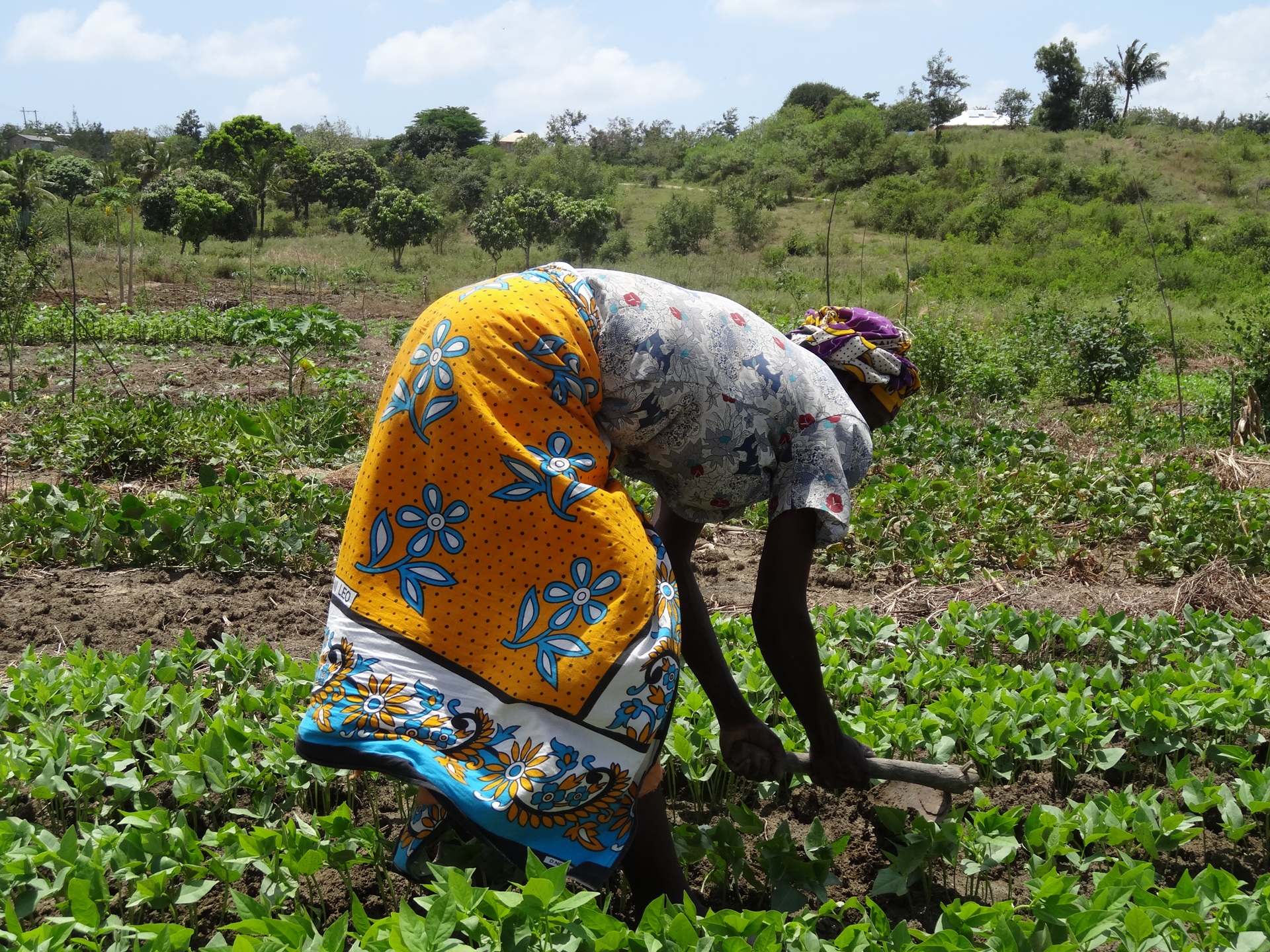
Baseline survey report, download here
Regen Trust operates as a charitable fund under the
auspices of Prism the Gift Fund (UK charity no. 1099682)
REGENERATIVE
AGRICULTURE IN
AFRICA
Regen Trust is proud to support Wandusoa, Itanya Africa Group and Kukula
Solar, three grassroots organisations working to restore degraded soils and
strengthen food security across Cameroon, Kenya and Malawi.
LONG-TERM VISION: RESTORING SOILS AND LIVELIHOODS ACROSS
THREE COUNTRIES
Across Sub-Saharan Africa, smallholder farmers face compounding pressures: soils
exhausted by extractive monoculture, erratic rainfall, and limited access to the
training and tools needed to adapt. This portfolio aims to build lasting change at the
farm level.
RESTORING SOIL AND LIVELIHOODS IN CAMEROON
 Wandusoa | Rural Cameroon | £12,000
Years of conflict in Cameroon have driven large numbers of young people from their
homes, leaving them without land, income or a route into stable employment.
Wandusoa works with this displaced generation - alongside ambitious rural women -
to build livelihoods through regenerative farming.
Regen Trust is granting £12,000 to fund Wandusoa's nine-month field-based and
community-led regenerative farming programme for up to 25 young people aged
14–24, the majority of whom are driven young women. Participants develop
practical skills in agroecology, organic composting, polyculture and water
management, alongside business and digital tools to manage their own enterprises.
They graduate with farm tools, starter inputs and a personal business plan, with the
programme aiming to restore 10 hectares of degraded land across the training
site.
VERTICAL GARDENS FOR HOUSEHOLD FOOD SECURITY IN KENYA
 Itanya Africa Group | Machakos County, Kenya | £12,000
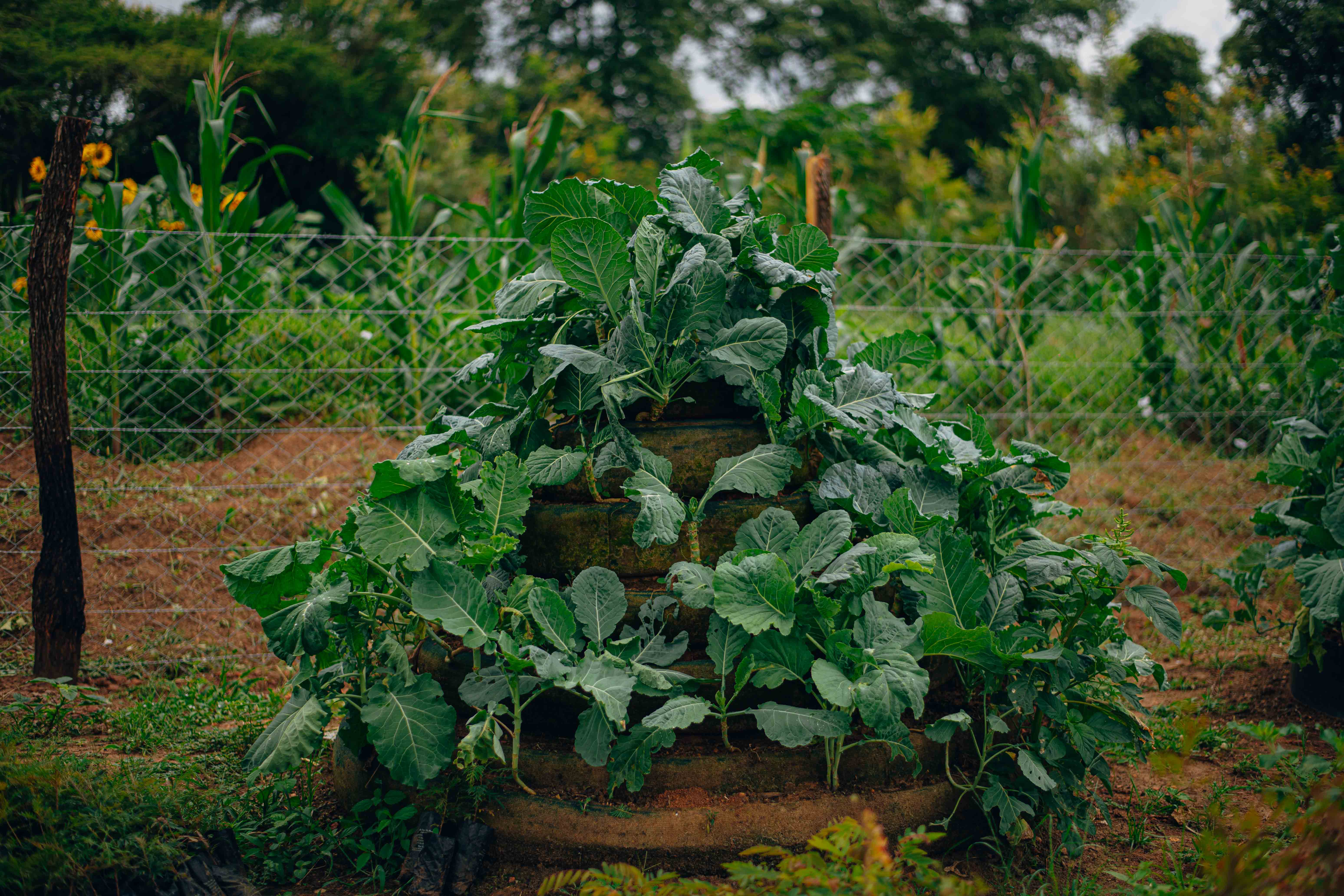
Regen Trust is granting £12,000 to enable Itanya Africa Group to equip 40
households with four vertical garden sacks each - 160 gardens in total -
allowing families to grow kale, spinach and other leafy vegetables year-round with
minimal water. Households receive hands-on training in composting, organic fertiliser
production, natural pest control and water-efficient irrigation. Soil samples will be
collected and analysed at baseline and at years 1, 3 and 5 to track changes in soil
health over time.
SOLAR-POWERED IRRIGATION FOR SMALLHOLDER FARMERS IN
MALAWI
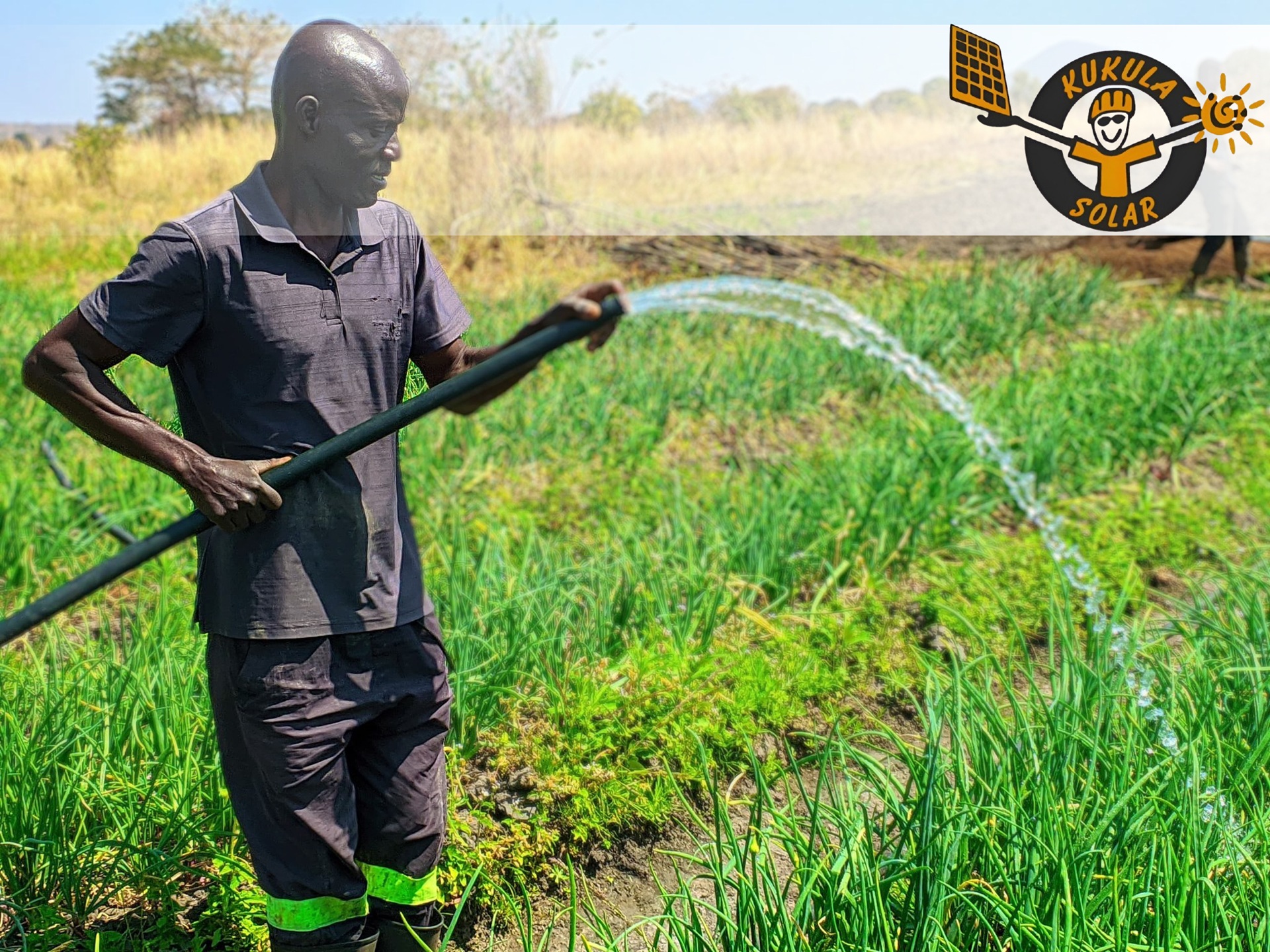 Kukula Solar | Kamwendo, Mchinji District, Malawi | £11,600
Regen Trust is granting £11,600 to enable Kukula Solar to deploy solar-powered
water pump sets to smallholder farmers in the Kamwendo area, through a pay-over-time model
funded by diesel savings and increased crop income. Repayments
are reinvested to reach additional farmers, extending the programme's impact well
beyond the initial grant. A single pump can enable a farmer to earn up to $3,000 per
year through improved production. 30 farmers will be reached within two years,
20 more within year three.
ABOUT THE HALLER FOUNDATION AND ITS APPROACH
For this project portfolio, Regen Trust is delighted to partner with the Haller Foundation again. Haller conducted due
diligence on all three projects and will
administer the grants, provide project oversight, monitoring and evaluation, and
coordinate donor reporting. All parties operate under an agreed Memorandum of
Understanding, with follow-up surveys at 1, 3 and 5 years ensuring sustained
outcomes can be measured and reported transparently.
KITUI Baseline Study
Report, download here
Regen Trust operates as a charitable fund under the
auspices of Prism the Gift Fund (UK charity no. 1099682)
PODOCARPUS-EL
CÓNDOR CORRIDOR
Regen Trust is proud to announce its partnership with Habitats Conservation, a non-profit
organisation working alongside Fundación Jocotoco to safeguard Ecuador's Podocarpus-El Cóndor
Biosphere.
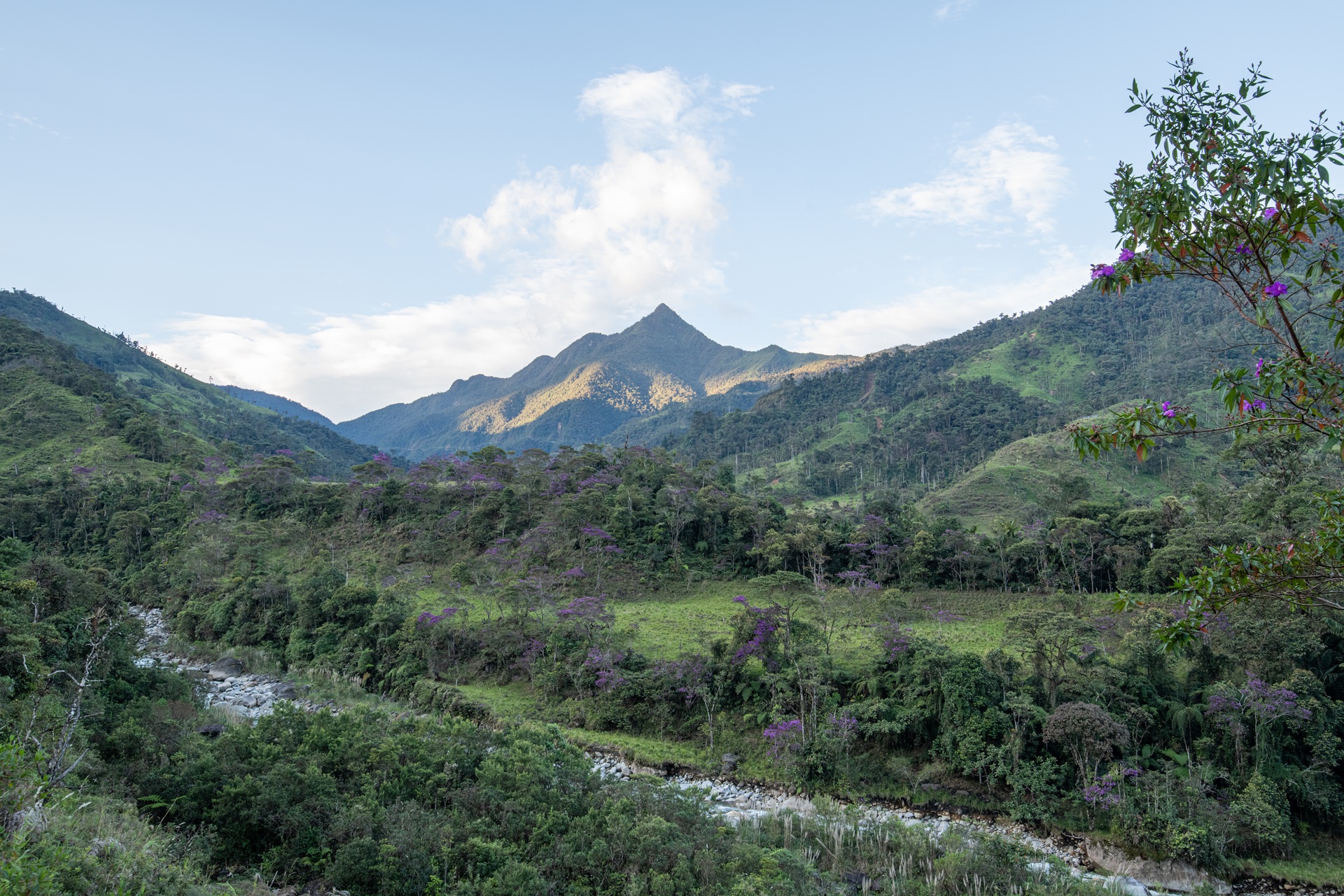
LONG-TERM VISION: A CORRIDOR FOR SOUTHERN ECUADOR'S CLOUD FORESTS
In southern Ecuador's cloud forests, mist-capturing canopies feed the streams that supply drinking
water to many downstream families. Yet the Tropical Andes, one of the most biodiverse regions on
Earth, retain only 25% of their original habitat. Forest patches have shrunk by 90.7% since 1976,
leaving households reporting water shortages.
This two-year project strengthens the 70,000-hectare Palanda Municipal Conservation and
Sustainable
Use Area (ACMUS), the missing ecological buffer connecting Podocarpus and Yacurí National
Parks, the
Cerro Plateado Biological Reserve and Jocotoco's Tapichalaca Reserve within the UNESCO Podocarpus-El
Cóndor Biosphere Reserve. Spanning more than one million hectares, the Biosphere brings this mosaic
together under local stewardship, covering roughly 2,900 km² of contiguous landscapes.
This project delivers long-term benefits for both wildlife and the five community councils of
Palanda. Participatory governance structures will let the municipality, residents and
partner
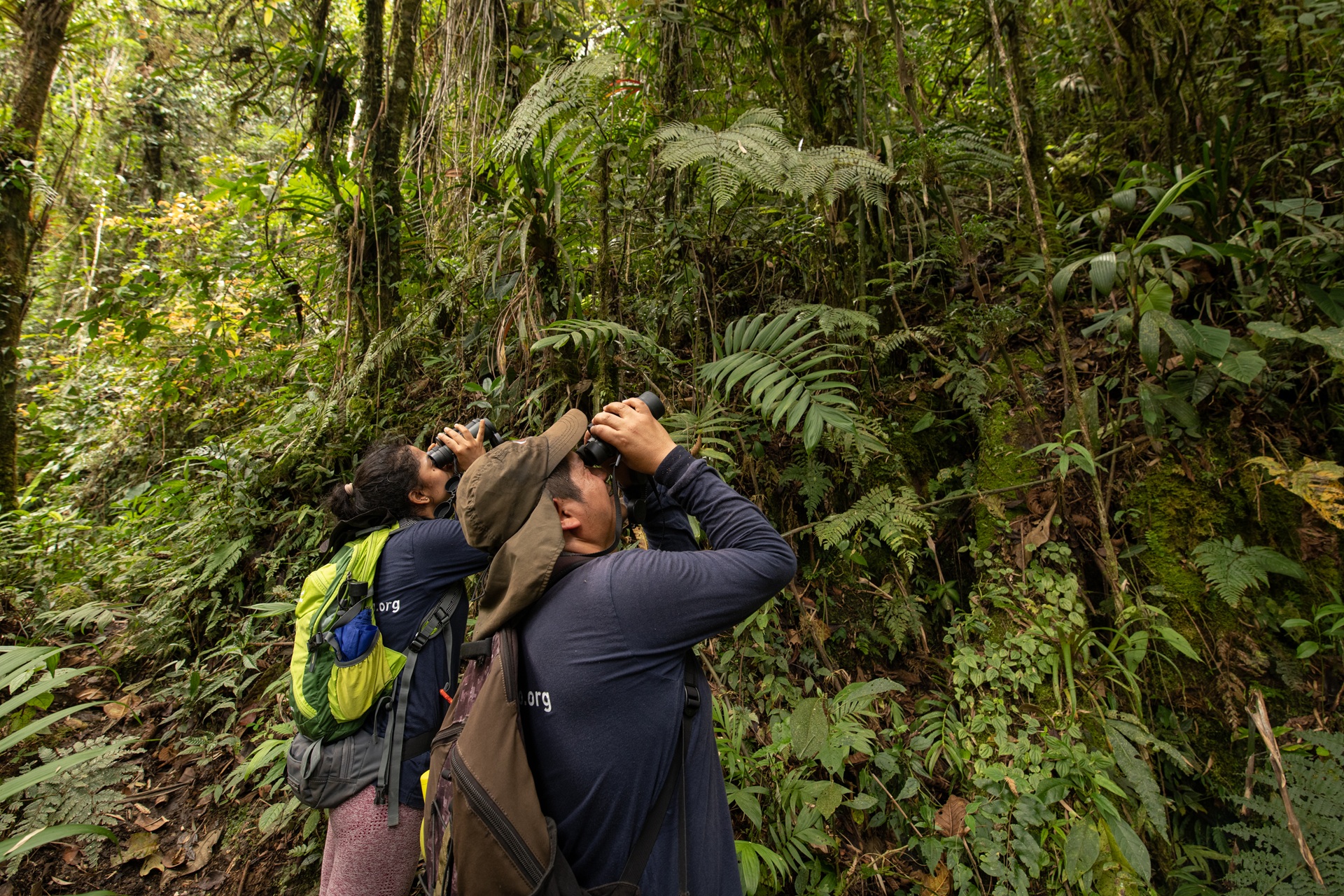
organisations jointly manage the ACMUS. A coordinated ranger network will link ACMUS with
neighbouring reserves, sharpening threat detection and biodiversity monitoring across the corridor.
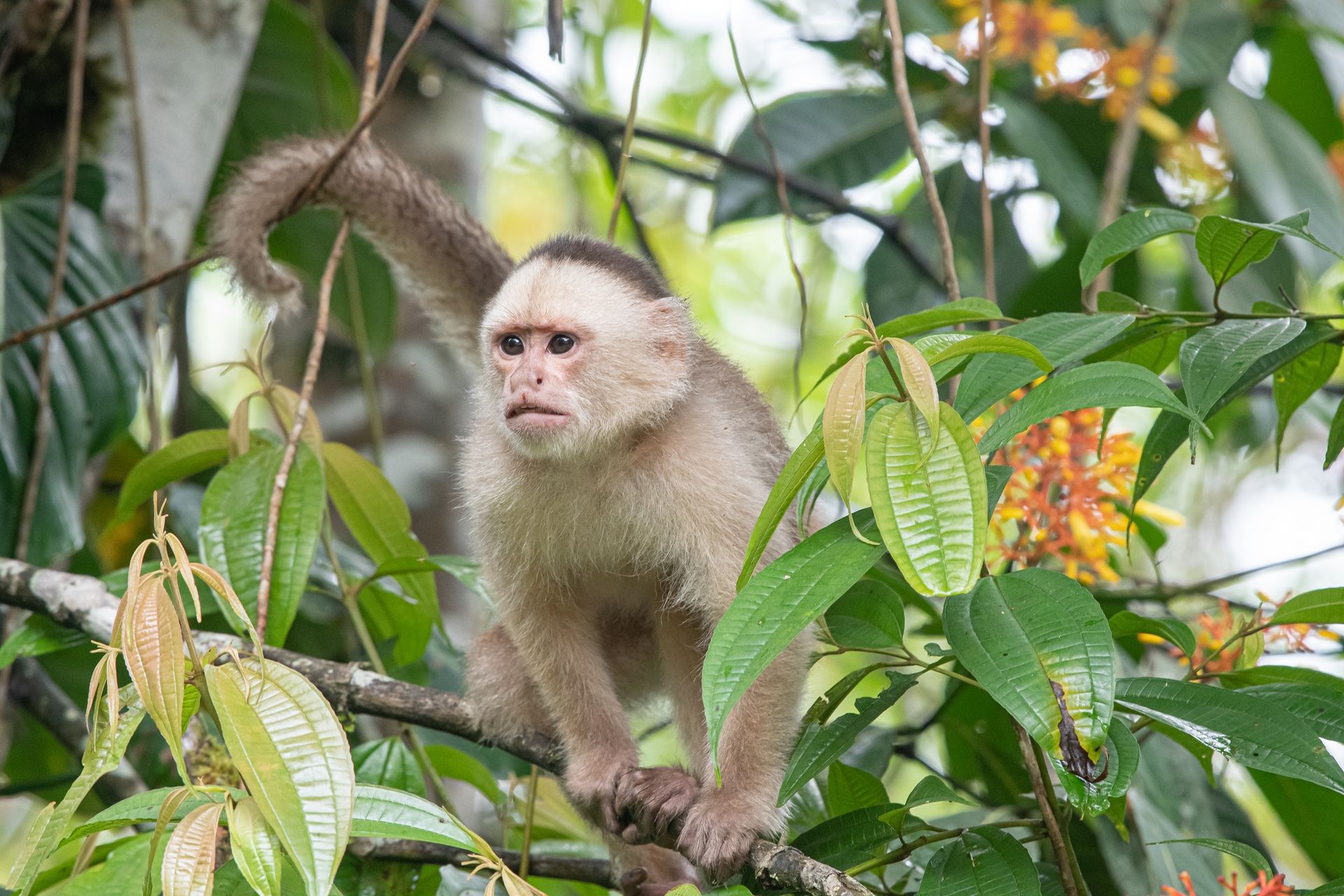
Agroforestry demonstration plots will ease pressure on forests that shelter the vulnerable
Spectacled Bear, endangered Mountain Tapir and at least 100 endemic species found nowhere else,
expanding safeguards across 215,000 hectares of national parkland.

THE PROJECT: GOVERNANCE, MONITORING AND SUSTAINABLE LIVELIHOODS
Regen Trust is granting €131,000 to deliver this two-year project, an essential foundation for turning
the ACMUS from a legally designated but under-resourced "paper park" into a functioning ecological
corridor. This will enable four integrated work packages:
1 - Strengthening participatory governance
Raising stakeholder awareness of the ACMUS, training 12 local conservation leaders, launching a school
programme and co-developing annual operational plans will build a governance alliance able to sustain
ACMUS management beyond the project.
2 - Coordinated patrolling and biodiversity monitoring
Mapping threats through remote sensing and drone surveillance, running monthly joint patrols, and
collecting eDNA and acoustic data will create a functioning ranger network across ACMUS and neighbouring
parks, with biodiversity impact tracked over time.
3 - Sustainable livelihoods and nature-based alternatives
Designing a regionally adapted agroforestry model, engaging 12 farms through farmer-to-farmer outreach,
running agroecology workshops and rolling out management plans will scale an approach that restores tree
cover while diversifying rural income.
4 - Transparent, impact-oriented management
Establishing a project baseline, conducting field visits and quarterly reporting, and carrying out an
internal evaluation will ensure efficient, evidence-based delivery with full accountability to funders
and partners.

ABOUT HABITATS CONSERVATION AND FUNDACIÓN JOCOTOCO
Founded in Luxembourg and Belgium in 2023, Habitats Conservation is a non-profit network of biologists,
ecologists and systems thinkers protecting and restoring key ecosystems and biodiversity
hotspots in
partnership with local communities. Its in-house research team provides scientific oversight and
biodiversity monitoring for projects across the Tropical Andes and in Kenya - including the
Chinambí
area of sustainable use and conservation, a reforestation programme for the critically
endangered
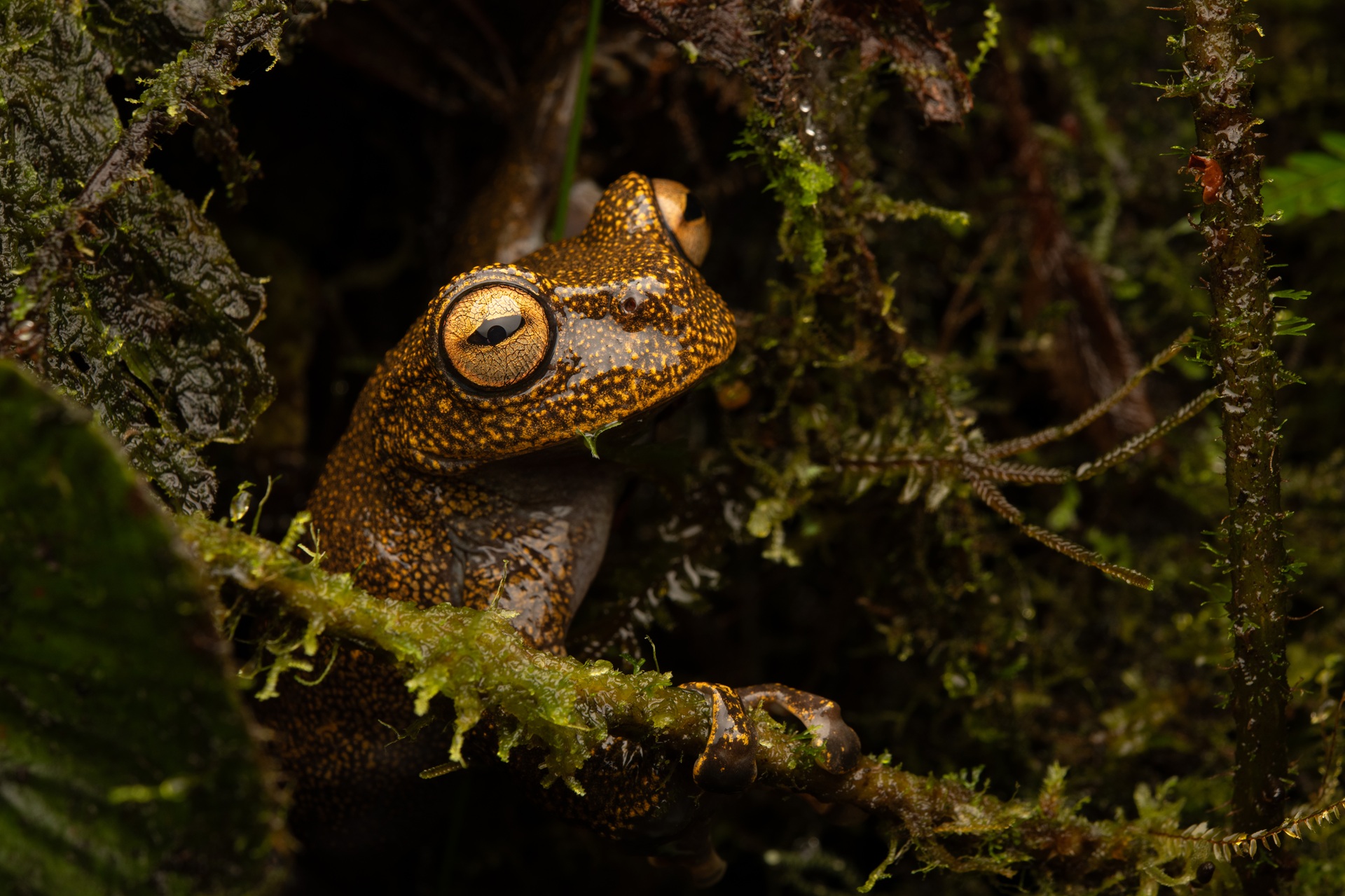
Magnolia buenaventurensis, and harlequin toad surveys across Ecuador, Peru and Bolivia.
Founded in 1998, Fundación
Jocotoco now owns and manages 42,000 hectares across 19 reserves nationwide,
including the 19,000-hectare Canandé Reserve in the Chocó and habitat for the critically
endangered
Jocotoco Antpitta and the Blue-throated Hillstar. Its local team - project coordinator,
community
outreach officer, park guards and parabiologists - will lead field implementation, working
alongside
technical experts from its Quito office and Habitats Conservation's coordinating scientists in
Europe.
 Photos by Raf Stassen
Regen Trust operates as a charitable fund under
the
auspices of Prism the Gift Fund (UK charity no. 1099682)
ANKASA RAINFOREST
LANDSCAPE

Regen Trust is proud to announce its partnership with Noé, an international conservation
organisation
working alongside local communities to protect Ghana's Ankasa rainforest.
LONG-TERM VISION: COMMUNITY STEWARDSHIP FOR GHANA'S LAST WET EVERGREEN FOREST
In Ghana's south-western corner, the Ankasa Rainforest Landscape holds one of the country's last
tracts of lowland wet evergreen forest, regulating the local climate, protecting watersheds and
storing carbon. Around Ankasa, deforestation, poaching and the spread of simplified cocoa farms have
steadily eroded the buffer around the protected area.
This programme covers the 210,000-hectare landscape anchored by the Ankasa Conservation Area
and the
adjacent Draw River Forest Reserve, home to forest elephants, primates and five threatened plant
species. Many of the surrounding Community Resource Management Areas (CREMAs), Ghana's
state-recognised model for community management of natural resources, have become fragile or
dormant, leaving the forest edge without local guardians.
This project delivers long-term benefits for both the forest and the communities living on its
edge.
Building on Noé's revival of Amokwaw CREMA, it will keep community patrols and restoration running
and use Amokwaw as a model to revive a second dormant CREMA. Cassava and honey will give households
income that does not depend on clearing forest. Over the full programme, Noé aims to bring 22,000
hectares of CREMA land under community patrols and monitoring, up from 3,618 today.

THE PROJECT: COMMUNITY GOVERNANCE, FOREST PROTECTION AND SUSTAINABLE LIVELIHOODS
Regen Trust is granting £120,949 to deliver two years of this programme, an essential foundation for
turning dormant community institutions into active guardians of the Ankasa forest. This will enable five
integrated work packages:
1 - Consolidating Amokwaw as the landscape's anchor
Noé will support Amokwaw's governance committees and train 80 committee members. Community patrols will
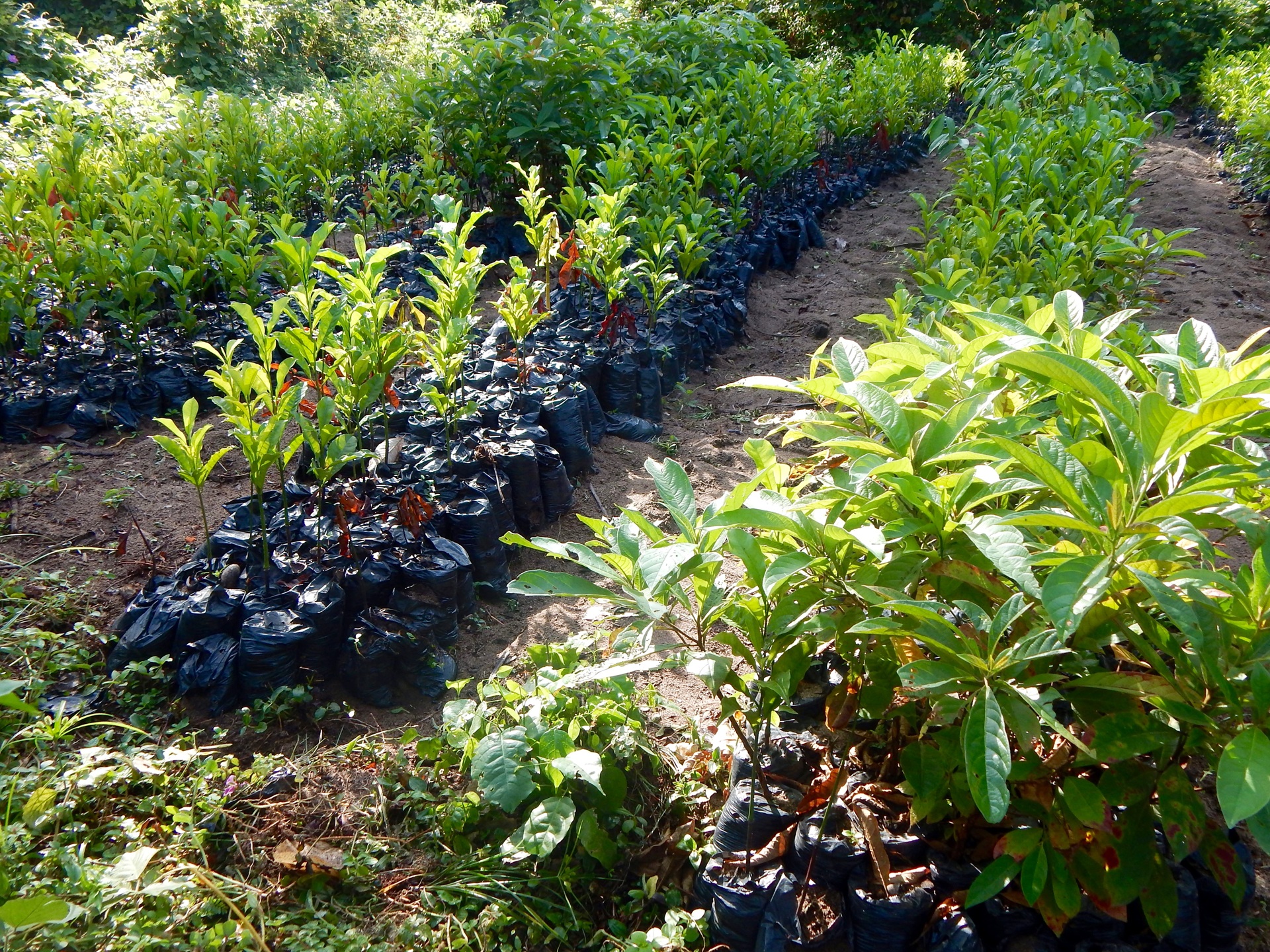
record illegal activity using the SMART monitoring system, while a local nursery grows seedlings to
restore degraded forest.
2 - Reviving dormant CREMAs
Two dormant CREMAs will be assessed with their communities through a free, prior and informed consent
process. One will then be supported to adopt by-laws, elect its committees and restart patrols and
restoration.
3 - Forest-friendly livelihoods
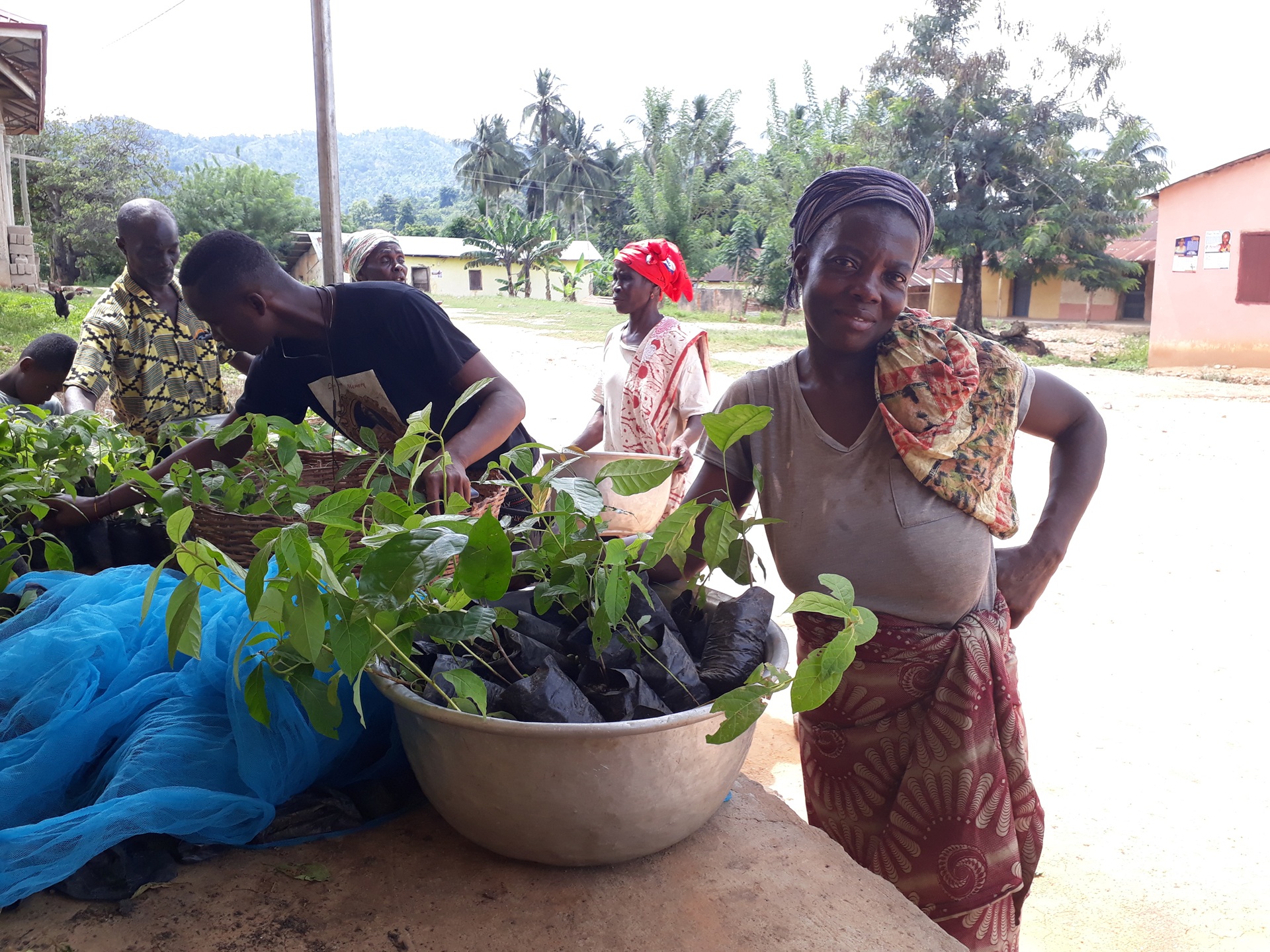
At least 100 farmers, 40% of them women, will be trained in cassava processing and beekeeping. Hives
will be installed, four producer groups strengthened and local enterprises connected with
buyers.
4 - Groundwork for a cocoa transition
Noé will map 300 cocoa farmers and study how cocoa is currently grown in selected CREMAs. The findings
will lay the groundwork for a future move to shaded agroforestry, organic production and responsible
markets.
5 - Transparent, impact-oriented management
Surveys at the start and end of the project will track household income and CREMA governance. An
independent evaluation will then assess the results, ensuring full accountability to funders and
communities.

This project will drive measurable impact
- Stronger community governance: an 80% governance performance score and 80% compliance in
audits of CREMA accounts, at least 35% women on committees, 60% of residents recognising their
committee as legitimate, and a second CREMA revived.
- Forest protection: community patrols generating regular SMART monitoring data, with 20
documented enforcement actions against illegal logging and poaching.
- Resilient livelihoods: at least 100 farmers supported in cassava and honey, 40% of them
women, with 60% applying four or more good farming practices.

ABOUT NOÉ AND ITS APPROACH
Founded in France in 2001, Noé is a public-interest
conservation organisation active in Africa for
over twenty years, now working in six countries: France, Ghana, Cameroon, Chad, the Comoros and the
Republic of Congo. Its approach rests on three pillars: protecting core biodiversity areas,
developing livelihoods compatible with conservation, and strengthening the local institutions that
manage the land.
Present in Ghana since 2017, Noé supports the government and communities in strengthening CREMAs.
This work has already delivered measurable results: 12 CREMAs equipped to manage more than 350,000
hectares of forest, savannah and farmland; 7,000 producers involved in eight sustainable value
chains, 70% of them women; and €2.7 million a year in income generated by and for communities
between 2020 and 2025.
For this project, the Noé Ghana team will lead delivery with technical and financial support from
Noé's head office in France, while CREMA committees run patrols, the nursery and governance
activities themselves.

Regen Trust operates as a charitable fund under the
auspices of Prism the Gift Fund (UK charity no. 1099682)
APPROACH

OUR GRANT-MAKING APPROACH
We provide grants with no expectation of financial return. These may be unrestricted - ideal
for small organisations focused on a single initiative -
or targeted towards specific projects or activities, particularly where the beneficiary operates
across multiple programmes.
Our support is directed at small to mid-sized grassroots NGOs. We trust them to define their
own goals and strategies, selecting partners
based on scientific credibility and their proven ability to measure impact transparently and
reliably.
We follow a balanced funding strategy, investing in both short-term, tangible outcomes and
long-term, systemic change. We do not seek immediate returns - whether in impact metrics or
reputational gain -
and we embrace innovation and risk where it aligns with our mission and values.
We aim to maximise the effectiveness of every contribution. All funds are channelled directly
into project delivery, with only minimal administrative overheads.
Financial and impact reporting is conducted annually.
OUR SELECTION CRITERIA
Regen Trust supports projects that combine strong governance, local community engagement, and
scientific credibility.
We prioritise initiatives that show a credible, evidence-based pathway from problem to solution to
positive impact on both people and nature.
Each project must be backed by a well defined execution plan, clear financial transparency, a robust
impact measurement system, and a long-term vision that outlasts the grant period.
OUR SELECTION PROCESS
We support legally registered non-profits, cooperatives, and social enterprises working in our key
focus areas. Our process ensures transparency and rigour at every step.
Following an initial screening, eligible applicants are invited to submit a full proposal and
undergo due diligence before final approval by our advisory board.
Successful applicants enter a formal grant agreement outlining activities, expected results, and
reporting requirements to ensure accountability and impact.
CONTACT
Get in touch for more information contact [at]
regen-trust.com
Regen Trust operates as a charitable fund
under the auspices of Prism the Gift Fund (UK charity no. 1099682)
